
 |
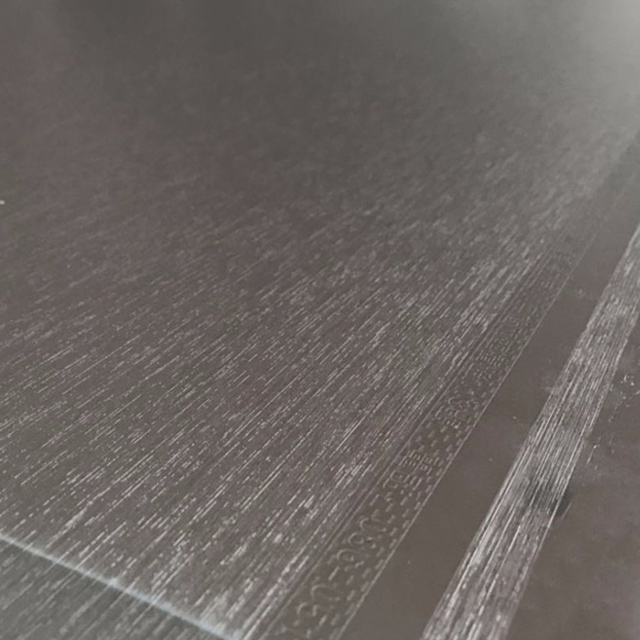


Stainless steel press plates provide the working surface that transfers heat, pressure and the desired finish to the panel during hot pressing.
Installation Position: Between the cushion pad and the panel, with the finished surface facing the decorative layer.
Material Options: 304 or 410 stainless steel, or 633-grade press plate steel, according to the specified material requirements.
Thickness: 5 mm.
1. Heat and Pressure Transfer
Transmit heat and pressure from the hot platen assembly to the panel, supporting consistent contact and lamination across the working surface.
2. Decorative Surface Finishes
Mirror-finished plates produce high-gloss surfaces, while textured plates create woodgrain and other embossed effects. Embossed-in-register (EIR) finishes require a matching plate design and accurate alignment with the decorative paper.
3. Hot Platen Protection
Separate the panel and resin-impregnated decorative paper from the hot platen, helping reduce resin contamination, direct contact and surface damage.
4. Panel Surface Flatness
Provide a flat, stable pressing surface. Proper plate flatness, cleanliness and installation help minimize unwanted impressions and surface irregularities.
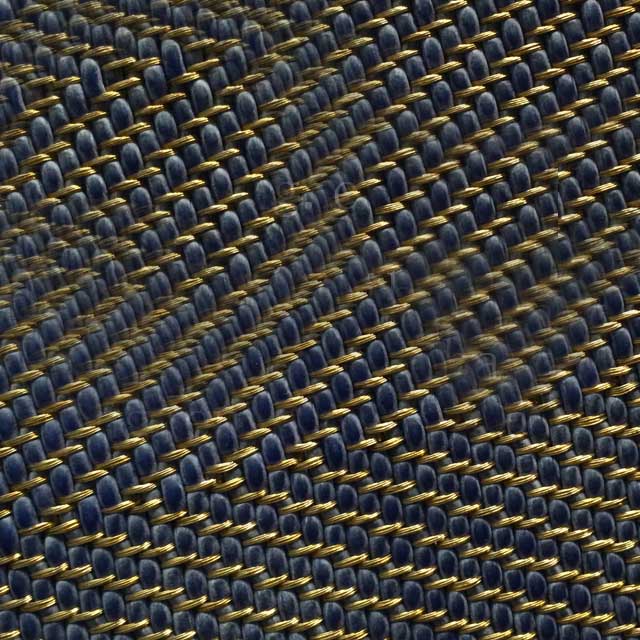
Hot press cushion pads combine elastic silicone elements with woven copper or brass wire to support pressure distribution and heat transfer during panel lamination.
Installation Position: Between the hot platen and the stainless steel press plate.
Material Construction: Silicone combined with woven copper or brass wire.
1. Elastic Compensation & Pressure Distribution
Accommodate minor unevenness in the pressing assembly and small panel thickness variations within the pad’s compression range, helping reduce localized pressure differences.
2. Consistent Heat Transfer
The metal wire structure helps conduct heat through the pad, while elastic contact supports more even heat transfer between the hot platen and the press plate.
3. Cushioning During Press Closure
Provide a compliant interface as the press closes, helping moderate localized contact loads and reduce direct mechanical stress on the pressing surfaces.
4. Support for Consistent Panel Quality
By improving contact and balancing pressure and heat transfer, the cushion pad helps reduce surface defects associated with uneven pressing conditions. Pad selection should match the operating temperature, pressing pressure and cycle requirements.


